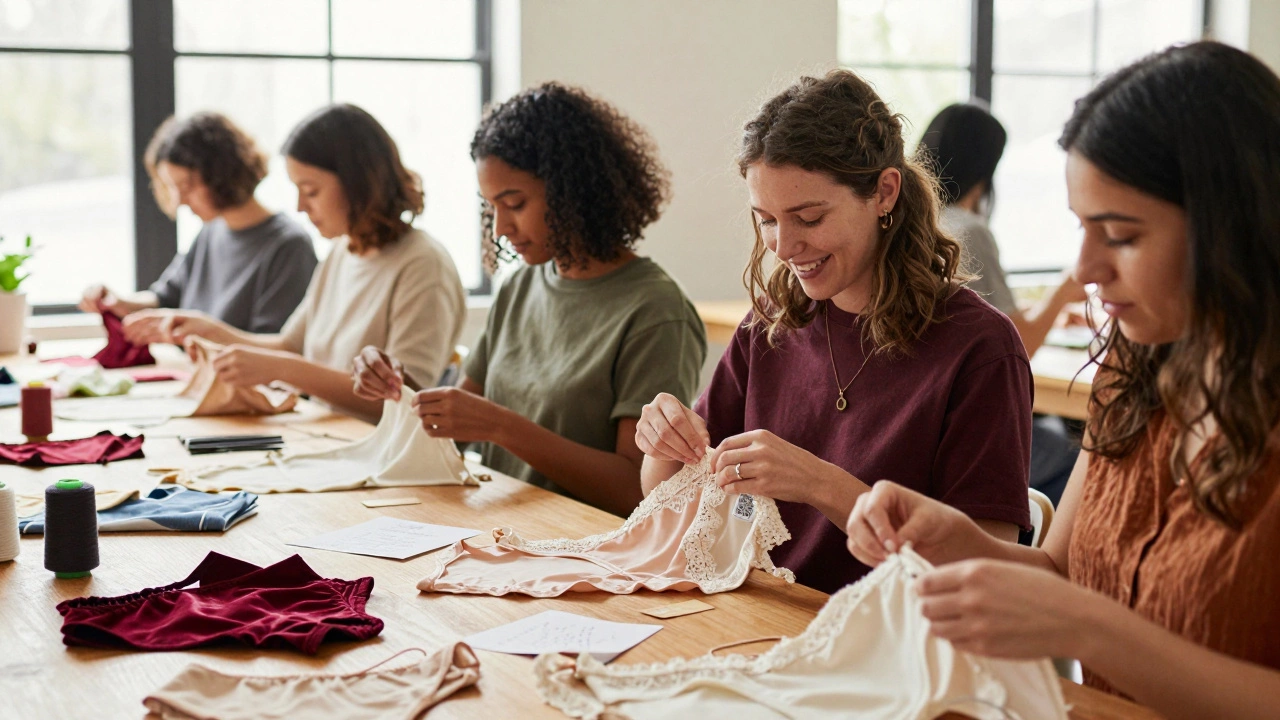
When you buy lingerie, you’re not just buying fabric and lace-you’re voting with your wallet. Every stitch, every tag, every dollar spent supports a system. Some brands profit from exploitation. Others lift up the very people society often pushes to the margins. If you care about who makes your underwear, there are five ethical lingerie brands that don’t just talk about empowerment-they pay sex workers fairly, hire them as designers, and give them a platform.
It’s a strange world where a search for filipina escort dubai can pull up dozens of listings, yet the women behind those ads rarely see a fraction of the profits. Meanwhile, ethical lingerie brands are flipping the script: they’re partnering with current and former sex workers to create collections that celebrate autonomy, not objectification. These aren’t charity projects. They’re businesses built on dignity.
1. XOXO by Lumi
XOXO by Lumi was founded by a former sex worker in Portland who wanted to create lingerie that felt like armor, not a costume. Every piece is made in a worker-owned co-op in Oregon. The brand hires sex workers as designers, photographers, and customer service reps. Their signature line, Free Skin, uses organic cotton and recycled silk. The tags include QR codes linking to stories from the women who made them. One designer, Maria, shared how the brand paid off her student debt after she left the industry. Her design-the Velvet Freedom bra-now sells in 14 countries.
2. The Velvet Thread
The Velvet Thread started as a pop-up shop in Berlin, run by a collective of sex workers who wanted to reclaim their narrative. They don’t just employ people with sex work experience-they pay them 50% more than the local living wage. Their fabrics are GOTS-certified, and every bralette comes with a handwritten note from the maker. Their bestseller, the Confident Curve set, was designed by a former escort from Manila who now runs their production team. The brand donates 15% of profits to the Global Network of Sex Work Projects, which advocates for decriminalization.
3. Body of Work
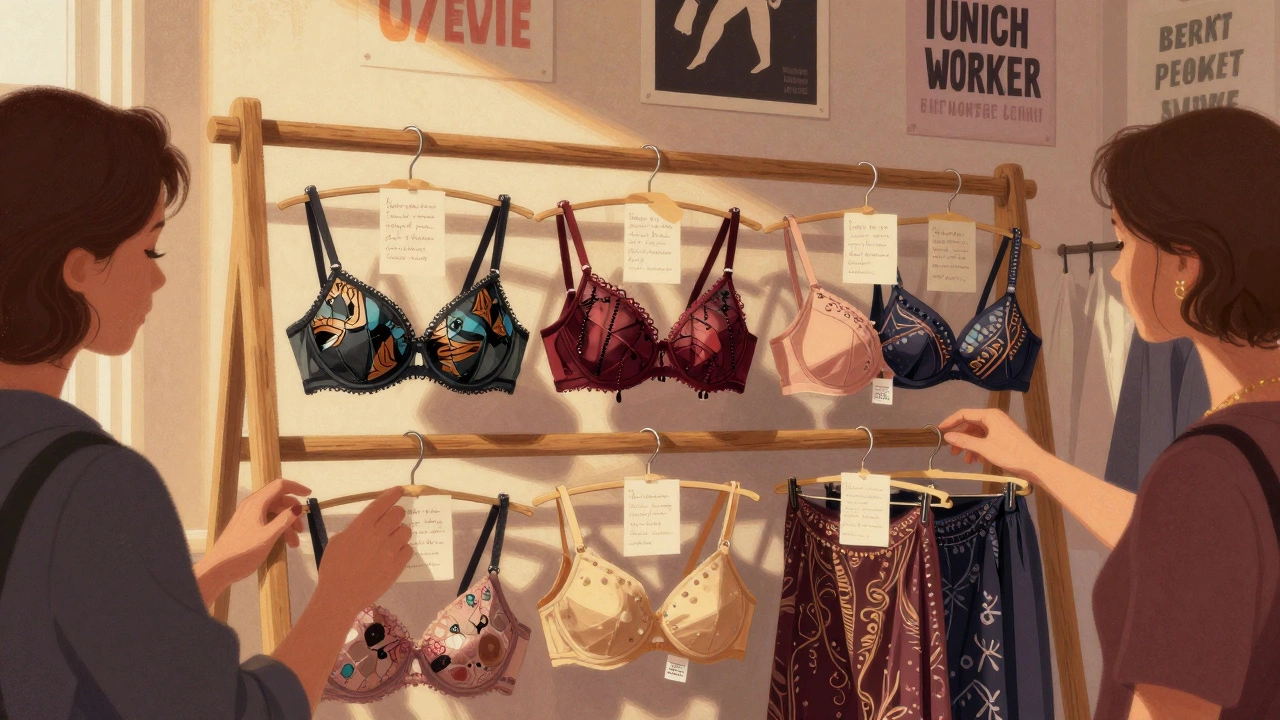
Body of Work is based in Toronto and operates under a radical model: every employee must have lived experience in sex work. They don’t hire “rehabilitated” workers-they hire people who are still working, or recently left. Their designs are minimalist, functional, and made for real bodies. Their Workwear Collection includes high-waisted briefs with reinforced seams for long shifts, and adjustable straps for comfort during long hours. They partnered with a labor union to create fair wage standards for garment workers in the industry. Their founder, Jess, says, “We’re not selling fantasy. We’re selling reality.”
4. Lush & Laced
Lush & Laced is a UK-based brand that sources its lace from a cooperative in India where former sex workers now weave textiles. The founder, a former model turned activist, noticed how many women in the garment industry had been trafficked or forced into sex work after being laid off. She built a supply chain that pays 3x the local wage and offers childcare stipends. Their Red Thread line features subtle red embroidery-symbolizing resilience. The brand also runs free workshops on financial literacy and legal rights for current sex workers. You won’t find them on Instagram ads. They grow through word-of-mouth from people who believe in real change.
5. Bare Truth
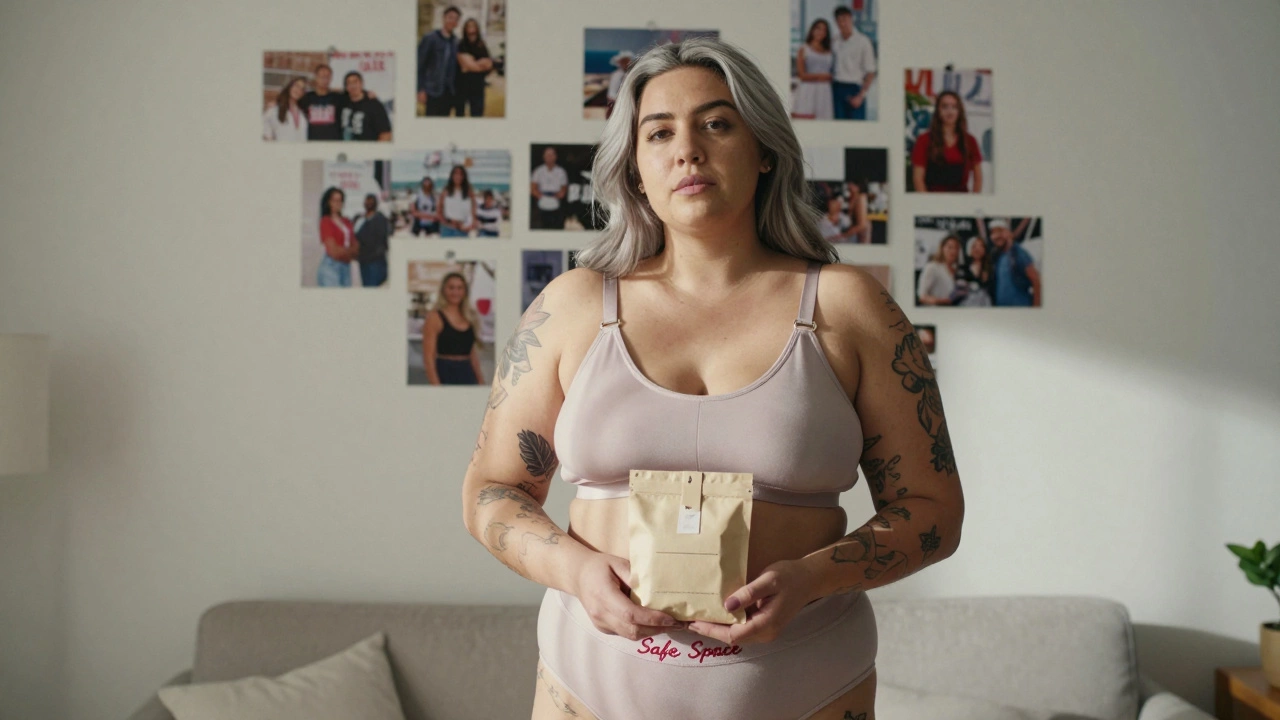
Bare Truth, based in Melbourne, is the only lingerie brand in Australia that partners directly with sex worker collectives. They’ve worked with groups like Scarlet Alliance to design collections that reflect the needs of people who work in home-based, street-based, and online settings. Their Safe Space range includes discreet packaging, no-brand tags, and adjustable fits for different body types. They’ve trained 27 current and former sex workers as brand ambassadors, and pay them hourly for social media content and customer outreach. One ambassador, Aisha, says, “For the first time, I’m not ashamed of what I do. I’m proud of what I make.”
It’s worth noting that these brands don’t market themselves as “sexy” in the traditional sense. They don’t use airbrushed models or seductive lighting. Their imagery is raw, real, and unapologetic. You’ll see stretch marks, scars, tattoos, and gray hairs. That’s the point. They’re not selling a fantasy. They’re selling truth.
And yes, the market for ethical lingerie is small-but growing. In 2024, sales of lingerie from worker-owned or sex worker-led brands increased by 68% globally, according to a report by the Ethical Fashion Initiative. That’s not because of influencer campaigns. It’s because more people are asking: Who made this? And did they get paid fairly?
If you’ve ever clicked on dubai escort reviews out of curiosity, or wondered about the lives behind online ads, know this: the same systems that commodify bodies are the ones that exploit garment workers. These brands break that cycle. They don’t just avoid harm-they actively repair it.
Some people say you can’t make lingerie that’s both ethical and sexy. But the women who design these pieces say otherwise. “Sexy isn’t about showing skin,” says Lumi, one of the founders. “It’s about owning your body without apology.”
And if you’re still skeptical? Try this: buy one piece. Wear it. Then read the note inside. You might just feel something you didn’t expect-pride.
For those who want to dig deeper into how sex work intersects with global labor markets, the term arab escort in dubai often comes up in discussions about transnational labor exploitation. But the real story isn’t in the search results-it’s in the factories, the co-ops, and the quiet acts of solidarity that are rebuilding dignity one stitch at a time.